
Burst pipes are one of the most common — and most damaging — household emergencies in Victoria. Whether it is a corroded joint that finally gives way, a pipe that freezes during a cold snap in regional areas, or a failed hot water system connection, the result is the same: litres of water flooding through your home in minutes.
Common Causes in Victoria
Understanding why pipes burst helps you recognise the risk before it becomes a crisis. Victorian properties face several specific vulnerabilities:
- •Ageing infrastructure — Many Melbourne homes built before 1980 still have original copper or galvanised steel plumbing that corrodes from the inside, weakening joints and creating pinhole leaks.
- •Winter conditions in regional areas — Ballarat, Bendigo, and the Victorian highlands regularly experience overnight temperatures below zero, causing water in exposed pipes to freeze and expand until the pipe splits.
- •Tree root intrusion — Victoria's established suburbs have mature trees whose roots can crush or displace underground water mains and sewer lines.
- •Water pressure fluctuations — Sudden changes in mains water pressure, common after supply interruptions, can shock weakened joints into failure.
- •Failed fixtures — Hot water system connections, washing machine hoses, and toilet cistern valves are frequent failure points, particularly in properties over 15 years old.
Immediate Response: The First 30 Minutes
When a pipe bursts, how you respond in the first half hour determines whether the damage is contained to one room or spreads through the entire property.
Step one: Turn off the water at the mains tap. This is usually located at the front of your property near the water metre. Know where it is before an emergency — adding a bright label or tag makes it easy to find under pressure.
- •Switch off electricity to affected areas at the switchboard — never wade through standing water near power points.
- •Remove furniture, rugs, and personal items from the wet area if it is safe to do so.
- •Use towels, mops, and buckets to contain the spread of water while waiting for professional help.
- •Open windows and doors to promote air circulation, but only if weather conditions allow.
- •Do not attempt to use a household vacuum to extract water — they are not designed for it and pose an electrocution risk.
The Water Extraction and Drying Process
Professional water extraction uses commercial-grade pumps and wet vacuums to remove standing water rapidly. But extraction is only the beginning. The real work is in the drying phase, which can take several days depending on the extent of saturation.
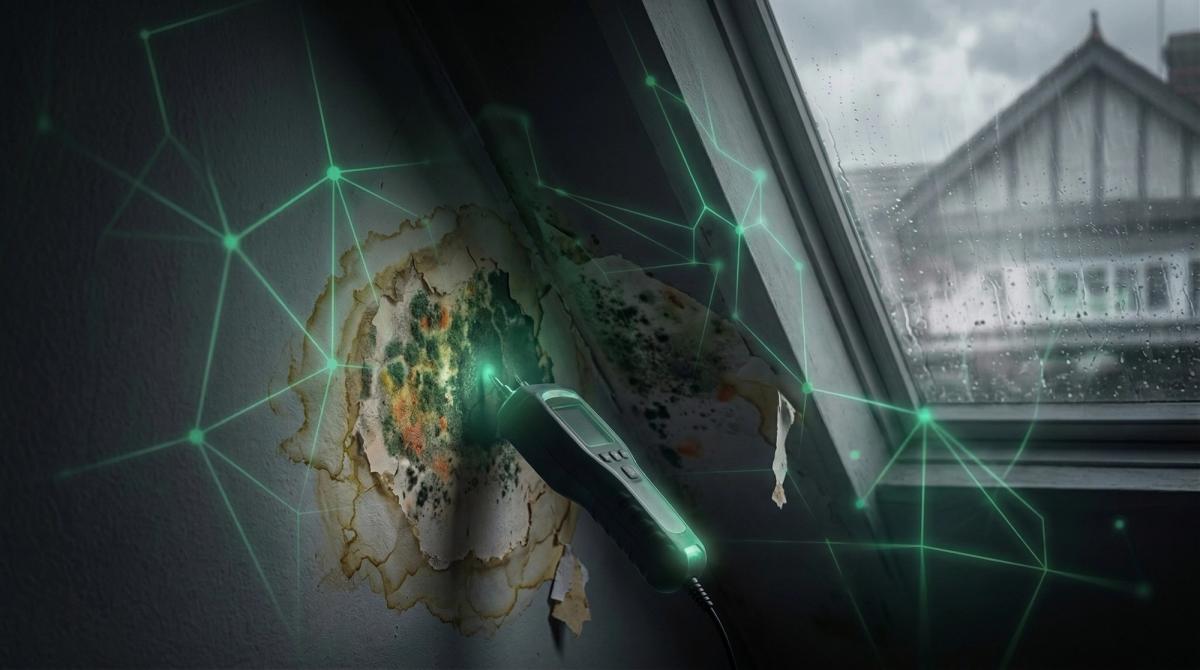
Industrial dehumidifiers and air movers are positioned strategically throughout affected areas. Moisture readings are taken daily using penetrating and non-penetrating moisture metres to track drying progress within walls, floors, and subfloor cavities. The goal is to return all materials to their pre-loss moisture content — typically between 10 and 15 per cent for timber framing.
What Your Insurance Covers
Most comprehensive home insurance policies in Australia cover sudden and accidental water damage — a burst pipe, a failed appliance connection, or stormwater ingress through a damaged roof. However, there are important distinctions:
- •Sudden burst pipe damage is typically covered under standard home and contents policies.
- •Gradual deterioration — slow leaks, long-term seepage, rising damp — is generally excluded as a maintenance issue.
- •Flood damage (external water entering the property during a flood event) may or may not be covered depending on your specific policy and location.
- •Stormwater damage (rain entering through a damaged roof or window) is usually covered under storm damage provisions.
- •Your policy excess applies — this is the fixed amount you pay before the insurer covers the rest.
Check your Product Disclosure Statement (PDS) for the specific definitions and exclusions that apply to your policy. If in doubt, contact your insurer's claims team for clarification before assuming coverage.
When to Call a Professional
Any water damage that has affected more than a small, contained area warrants professional assessment. Water travels unpredictably through a building — what looks like a minor leak in the kitchen can mean saturated subfloor timber, wet wall insulation, and the beginning of a mould problem in the adjoining rooms.
Oxide Construct's assessment process captures the full extent of water damage, including areas that are not immediately visible. We use thermal imaging and moisture mapping to identify hidden saturation, ensuring your insurance claim covers the complete scope of required repairs.